Mattress Guide · Materials & Support
Naturepedic Organic Mattresses: Materials, Support and What to Compare
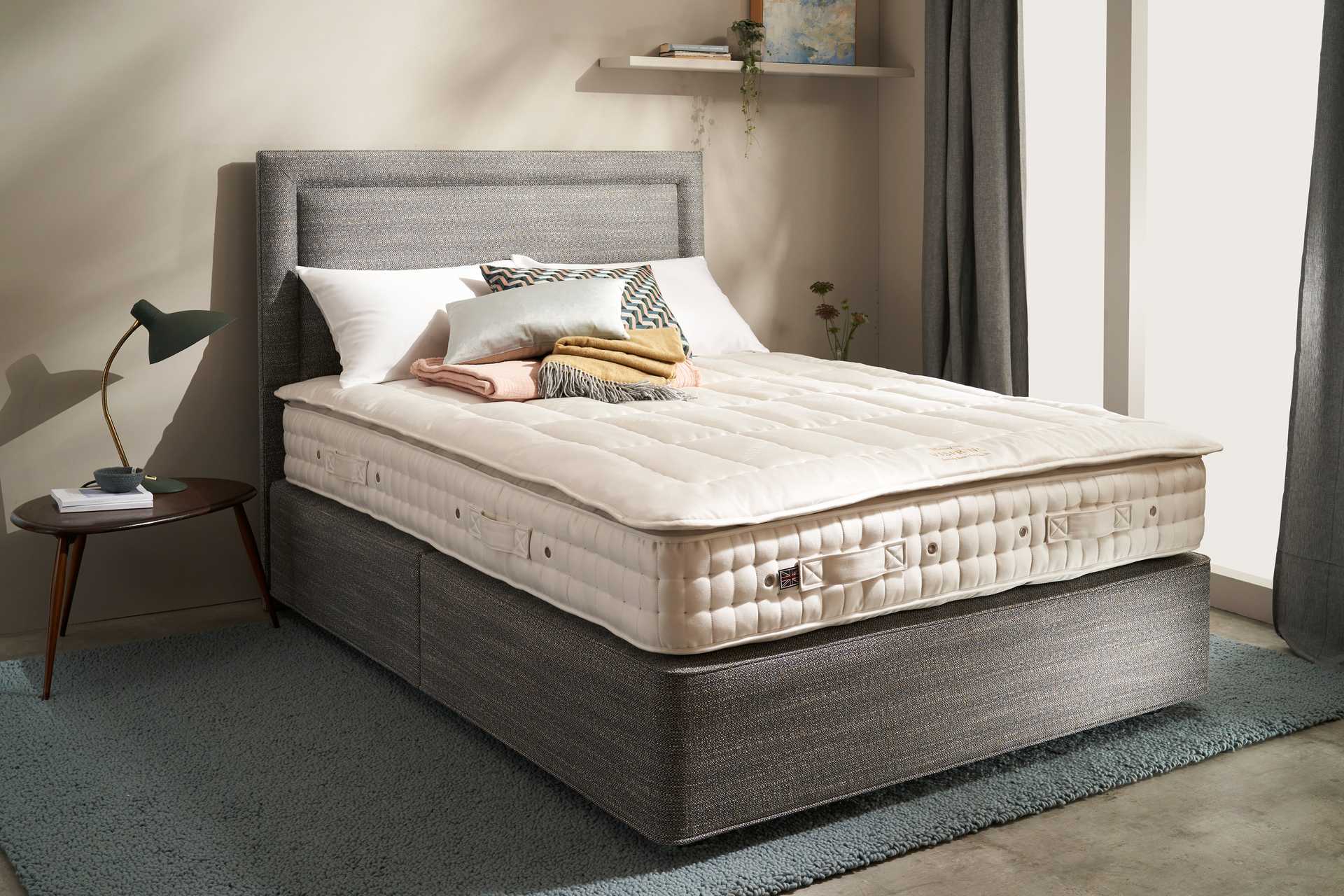
An organic mattress is more than a label or a pleasingly spare specification. Its feel is shaped by layers, construction, firmness and the way those elements meet the sleeper’s body. When exploring Naturepedic mattresses, a careful look at materials and support can make the choice more personal—and more informed.
Published 3 November 2026
The appeal of an organic mattress is easy to understand: natural and certified materials, a considered approach to what sits close to the body, and the promise of a sleep surface built with intention. Yet the word organic cannot tell you whether a mattress will feel buoyant or embracing, firm or yielding, cool or cosy. Nor does it guarantee that a particular model suits your posture, preferences or bed base.
That is where comparison matters. Rather than choosing on a single headline claim, look at the entire construction: what each layer is made from, how those layers are assembled, how the mattress responds to pressure, and what the manufacturer says about care and use. Naturepedic offers mattresses across different designs, so specifications should be checked for the exact model and size under consideration. This guide sets out a practical framework for making that assessment without treating any one material or construction as universally ideal.
Start with the mattress, not the label
“Organic mattress” is a useful starting point, not a complete description. A mattress may contain several materials, each serving a different function: a comfort layer to cushion the body, a support system to distribute weight, and a cover or barrier that brings the components together. The proportions, density, arrangement and attachment of those layers can change the feel as much as the material names do.
For a Naturepedic model, first find the detailed product specification rather than relying on a broad brand description. Check whether the information refers to the complete mattress or only to particular components. Note the material in the cover, comfort layers and support core, and look for an explanation of how they are constructed. If a term is unfamiliar, seek a definition from the manufacturer or a trusted certification body instead of assuming it has a standard meaning in every product.
The finer details are often the most useful. A listing may distinguish between a material’s presence and its role, disclose whether a layer is quilted or loose, or describe the mattress as having different firmness options. These facts help turn a general impression of “natural” into a more concrete understanding of what lies beneath the sheets.
Materials: understand the role of each layer
Natural materials are not interchangeable. Their feel and performance depend on the specific fibre or substance, its processing, the way it is used and the surrounding construction. When comparing organic mattresses, consider both the source of each material and the job it is expected to do.
Latex and responsive comfort
Latex is often associated with a springy, responsive sensation. Instead of slowly moulding around the body, a latex layer may feel as though it pushes back more readily when a sleeper moves or changes position. The exact result depends on factors such as the latex formulation, layer depth and firmness, as well as the layers above and below it. Do not assume that every latex mattress has the same bounce or pressure relief.
When reviewing a mattress specification, clarify what kind of latex is used, where it appears in the construction and whether its amount or density is stated. If you are sensitive to a particular material, ask the manufacturer about the finished product, not just a general description of the raw material. The goal is to understand the mattress you will actually sleep on.
Wool and cotton in the comfort system
Wool may appear in quilting or other comfort layers. It can contribute a naturally textured, gently cushioned feel and is often included in discussions of temperature and moisture management. Cotton is commonly used in covers or padding, where its hand feel and breathability may contribute to the surface experience. But neither fibre alone determines whether a mattress will sleep cool or feel soft: the full layer assembly, room climate, bedding and individual physiology also matter.
Look for clear descriptions of where these fibres are used and whether the stated content refers to the whole mattress or a particular component. Ask about care, too. A mattress is not a washable textile, and the presence of a natural fibre does not mean the finished product can be cleaned like a duvet cover. Follow the model-specific care instructions.
Covers, barriers and transparency
The cover is the first part of the mattress a sleeper encounters, but it can also be part of a more complex construction. Some designs include internal barriers or other components intended to perform a specific function. For each item, find out what it is made from, what purpose it serves, and whether it is removable or permanently integrated.
A thoughtful comparison distinguishes between an organic claim, a fibre-content statement and a certification. These are related, but not identical. If certification is important to you, identify the name of the standard, which component or product it covers, and whether the information can be verified through the certifier. Avoid treating a vague phrase such as “eco-friendly” as a substitute for a specific, documented claim.
Support is about alignment, not simply firmness
Firmness and support are often used as if they mean the same thing. They do not. Firmness is the subjective sense of how hard or soft the surface feels. Support describes how the mattress holds the body and helps maintain a comfortable, stable position. A mattress can feel plush at the surface while still offering substantial support beneath it, or feel firm without suiting a particular sleeper’s shape or posture.
The right balance depends on body proportions, sleeping position, personal comfort and any relevant health considerations. A mattress should allow the body to settle without creating uncomfortable pressure, while avoiding a sensation of excessive sagging. There is no single firmness rating that guarantees the same experience for everyone, and ratings are not always directly comparable between manufacturers.
How sleeping position changes the comparison
- Side sleepers often pay close attention to cushioning around the shoulders and hips, where pressure can become noticeable. Consider how the top layers yield while the rest of the mattress keeps the body feeling supported.
- Back sleepers may prefer a surface that feels balanced beneath the shoulders, lower back and pelvis. The important question is whether the mattress feels stable and comfortable across the full length of the body.
- Stomach sleepers may want to assess how much the midsection sinks. Personal comfort still matters, but a sensation of pronounced sagging may be a sign that the surface is not a good match.
- Combination sleepers should consider ease of movement as well as pressure relief. A highly conforming feel may suit some people and feel restrictive to others, so testing position changes can be useful.
These are starting points, not rules. Two people who sleep in the same position can have different comfort needs. If you share a bed, consider each sleeper’s preferences and whether the mattress design accommodates them. Where a model offers distinct firmness choices or configurations, compare those options directly rather than assuming one version represents the entire range.
The sleep surface is a system
A mattress does not work in isolation. Its feel can change when paired with a foundation, adjustable base, mattress protector or topper. A topper can alter the surface sensation, but it cannot necessarily correct a mattress that is fundamentally unsuitable or worn. A protector may also affect the tactile quality of the top layer, particularly if it is thick or made with a less breathable-feeling fabric.
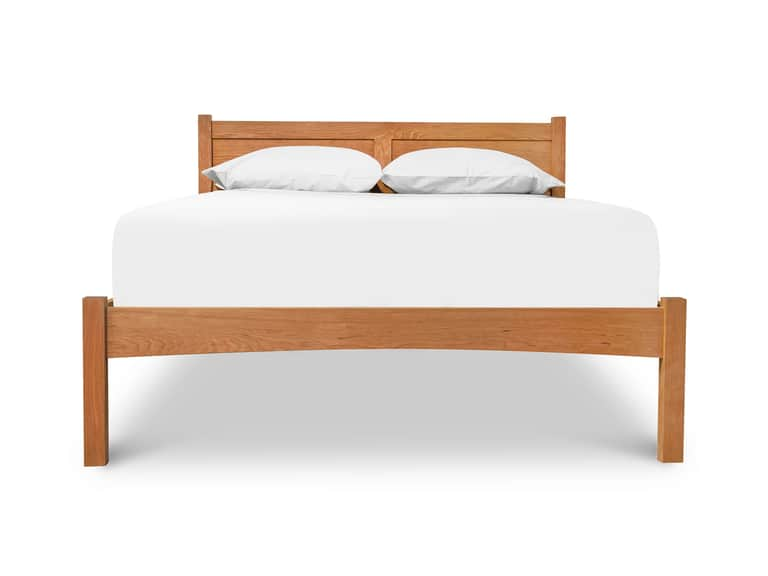
Before purchasing, confirm the base requirements for the exact Naturepedic model. Check that the foundation provides the support specified by the manufacturer and that its slat spacing or platform design is compatible. If you use an adjustable base, verify that the mattress is approved for that type of use. Also confirm dimensions carefully: mattress sizing conventions differ by market, and a frame that appears to be the expected size may not fit every mattress precisely.
Think about your existing bedding as well. Deep mattresses may require fitted sheets with greater pocket depth, while protectors should be sized to accommodate both mattress height and any topper. A neat fit helps prevent bunching and makes the bed easier to make, but avoid stretching a sheet or protector so tightly that it pulls at the corners.
What organic and certification claims can—and cannot—tell you
Certification can help make a material claim more specific, but it is essential to read the scope. A certification might apply to a fibre, a component, a manufacturing process or a finished product. The same label does not automatically mean that every layer in every model has been assessed in the same way. Look for the certifier’s name, the applicable standard and the products or components covered.
The word organic can refer to how an agricultural raw material was grown and processed, but it should not be taken as a blanket statement about every element of a finished mattress. Seams, fasteners, covers, fire-safety components and other construction details may have their own specifications. If those distinctions matter to your decision, ask for a full materials breakdown and documentation rather than relying on a short marketing summary.
It is equally sensible to consider durability and care alongside sourcing. A material claim does not establish how long a mattress will feel comfortable in a particular household. Longevity depends on construction, frequency and conditions of use, body weight, support underneath and maintenance. A transparent specification gives you a stronger basis for comparison than a single broad environmental phrase.
Comfort testing: give yourself a fair trial
A brief test in a showroom can reveal a first impression, but it may not predict how a mattress feels after several nights. If testing in person, lie down in your usual sleeping positions and spend enough time to notice pressure, movement and the overall sense of support. Wear comfortable clothing, and do not be rushed into a decision by an initial soft or firm sensation.
For an online purchase, read the current trial, return and warranty terms before ordering. Check the length of any trial period, when it begins, how returns are arranged, whether there are fees and what condition the mattress must be in. Warranty coverage is not the same as a comfort guarantee: it generally addresses specified defects under stated terms, not whether the mattress remains your preferred feel over time.
Allow for the possibility that a new mattress will feel different from the one you have been using. Your bedding, base and sleeping habits can influence the transition. Keep notes during the first days and weeks: where pressure appears, whether you wake feeling comfortable, how easily you move and whether the temperature feels suitable. If discomfort is persistent or severe, seek advice from an appropriate health professional rather than assuming that a mattress change will address a medical issue.
Questions to ask before choosing a Naturepedic mattress
- What materials are used in each layer of this exact model, and what function does each one serve?
- Which certifications apply, and do they cover the finished mattress or only specific materials?
- What firmness options are available, and how does the manufacturer describe their feel?
- What foundation or bed-base requirements apply, including any limits on slat spacing?
- Is the mattress compatible with an adjustable base?
- What are the current delivery, trial, return and warranty terms for my location?
- How should the mattress be protected, cleaned and maintained?
- Are there any material sensitivities or construction details I should discuss with the manufacturer before buying?
Care and longevity begin with the instructions
A good care routine is straightforward: protect the mattress from spills and excess moisture, use a compatible foundation, and follow the maker’s instructions for rotation, if rotation is recommended. Not every mattress is designed to be flipped, and some constructions have a distinct top and bottom. Check before turning or rotating it, and avoid using cleaning products that are not approved for the cover or materials.
Ventilation and regular changes of sheets contribute to a fresher sleep environment, but a mattress itself generally cannot be laundered. A removable cover should only be washed if the manufacturer explicitly says that it can be removed and cleaned. Keep documentation, including the care guide and purchase details, in case you need to refer to the model’s warranty or service information later.
A mattress protector is a practical consideration, particularly for households with children, pets or a preference for extra protection against everyday spills. Choose one that fits the mattress depth and does not introduce an unwanted change in feel. If a protector is labelled waterproof, check its construction and care instructions; protective performance and surface breathability can vary by design.
A considered decision, not a checklist of buzzwords
Comparing Naturepedic organic mattresses is ultimately an exercise in matching construction to the way you sleep. Begin with your preferred position and the sensations you want from the surface. Then examine materials layer by layer, assess support separately from firmness, verify certification claims and check compatibility with your bed base. Finish by reading the practical terms on care, trial, returns and warranty.
The most persuasive mattress is not necessarily the one with the longest specification or the most fashionable material story. It is the one whose documented construction, comfort and support suit your needs—and whose claims you can understand. A clear comparison makes room for both values and everyday realities: what the mattress contains, how it feels beneath you, how it fits your bedroom and how confidently you can care for it over time.
At a glance: a practical comparison checklist
- Compare the complete layer construction, not only the headline material.
- Separate the feel of firmness from the experience of support.
- Assess comfort in your usual sleeping positions and consider movement during the night.
- Verify certification names, scope and model-specific documentation.
- Confirm that your foundation, frame and any adjustable base are compatible.
- Read trial, delivery, return and warranty terms before committing.
- Follow the manufacturer’s instructions for protection, cleaning and rotation.