A Comprehensive Guide to Luxury Bedding Materials: From Percale to Cashmere
Explore the key fabrics used in premium bedding, including cotton percale, cotton sateen, linen, wool, and bamboo. This guide explains how material choice impacts feel, breathability, durability, and care, helping readers select setups that suit UK climates and sleep preferences.
In the realm of sleep, the fabric that kisses the skin at dusk becomes a co-conspirator in the nightly ritual. Luxury bedding is not merely about aesthetics; it is about selecting textiles that weave comfort, temperature regulation, and longevity into a refined daily ritual. This guide preserves the elegance of a Vogue-inspired sensibility while delivering practical, evidence-based insights for readers in the United Kingdom and beyond.
1) Material deep-dive: cotton percale vs cotton sateen — weave, thread count, and fiber length
Cotton is the cornerstone of premium sheets, but the distinction lies in weave and fiber quality. Percale and sateen offer distinctly different tactile experiences, breathability, and durability—each suitable for varying climates and sleep preferences.
Cotton Percale
Percale is traditionally a plain weave characterized by a crisp, matte finish and a cool hand. It typically uses a higher thread count range in luxury offerings, but the weave itself emphasizes a light, airy feel rather than a silky drape. In UK summers and transitional seasons, percale supports a breathable microclimate, helping to wick away moisture and keep sleepers comfortable.
- Feel: Crisp, cool, airy
- Breathability: High, thanks to the balanced weave and cotton fiber length
- Durability: Good; durability improves with proper care and certified cotton
- Care: Generally machine washable; avoid excessive heat to retain crispness
Cotton Sateen
Sateen uses a satin-like weave with more floating weft threads on the surface, creating a smoother, more lustrous finish. It tends to feel warmer and silkier to the touch, offering a sumptuous hug that is ideal for cooler nights or those seeking a more refined, drapey look in their bed styling.
- Feel: Silky, smooth, with a subtle glow
- Breathability: Moderate to high, depending on cotton quality
- Durability: Excellent when built with long-staple cotton; can be more prone to pilling if lower quality
- Care: Like percale, but may benefit from fabrics-friendly detergents to maintain sheen
Beyond the weave, the fiber length (Egyptian cotton versus long-staple Pima, for example) and fiber purity influence softness, durability, and resistance to pilling. A luxurious set begins with long-staple fibers and disciplined finishing processes. When selecting a set, consider the culmination of weave, thread count (which is a proxy, not a guarantee of quality), and fiber origin. A well-constructed high-thread-count percale can rival a mid-thread-count sateen in comfort, while a purpose-built percale with superior finishing resists wrinkling and maintains a crisp aesthetic.
2) Natural fibers spotlight: linen, wool, and bamboo — temperature regulation, moisture management, and seasonality
Natural fibers bring a different vocabulary to the bedroom. Linen, wool, and bamboo each carry distinct thermal profiles and tactile identities, offering solutions tailored to seasonal shifts and personal comfort preferences. Consider these materials as contributors to a holistic sleep climate, rather than mere fabric choices.
Linen
Linen bedding is revered for its breathability and natural moisture management. It softens with each wash and is especially favored in warmer nights or humid climates. The texture can be more tactile and wrinkled by design, projecting a relaxed luxury that pairs well with minimalist, airy interiors.
Wool
Wool bedding offers temperature regulation and natural insulation. It holds warmth without trapping heat, making it a compelling option for cooler UK nights. Wool fibers can wick moisture effectively while remaining breathable, contributing to a balanced microclimate that helps reduce sleep disruption from overheating.
Bamboo
Bamboo-derived textiles, often viscose or rayon blends, bring a silky hand and excellent moisture management. They can be naturally antimicrobial and soft against sensitive skin. In premium bedding, bamboo blends are chosen for cool, breathable layers that complement other fabrics in a layered sleep system.
When choosing natural fibers, consider the end-to-end lifecycle: from responsible farming practices to certifications that ensure sustainability and worker welfare. Natural fibers not only elevate the tactile experience but also align with conscious design principles that many Vogue-inspired readers prize.
3) Hotel-grade standards at home: translating hospitality bedding specifications into consumer choices
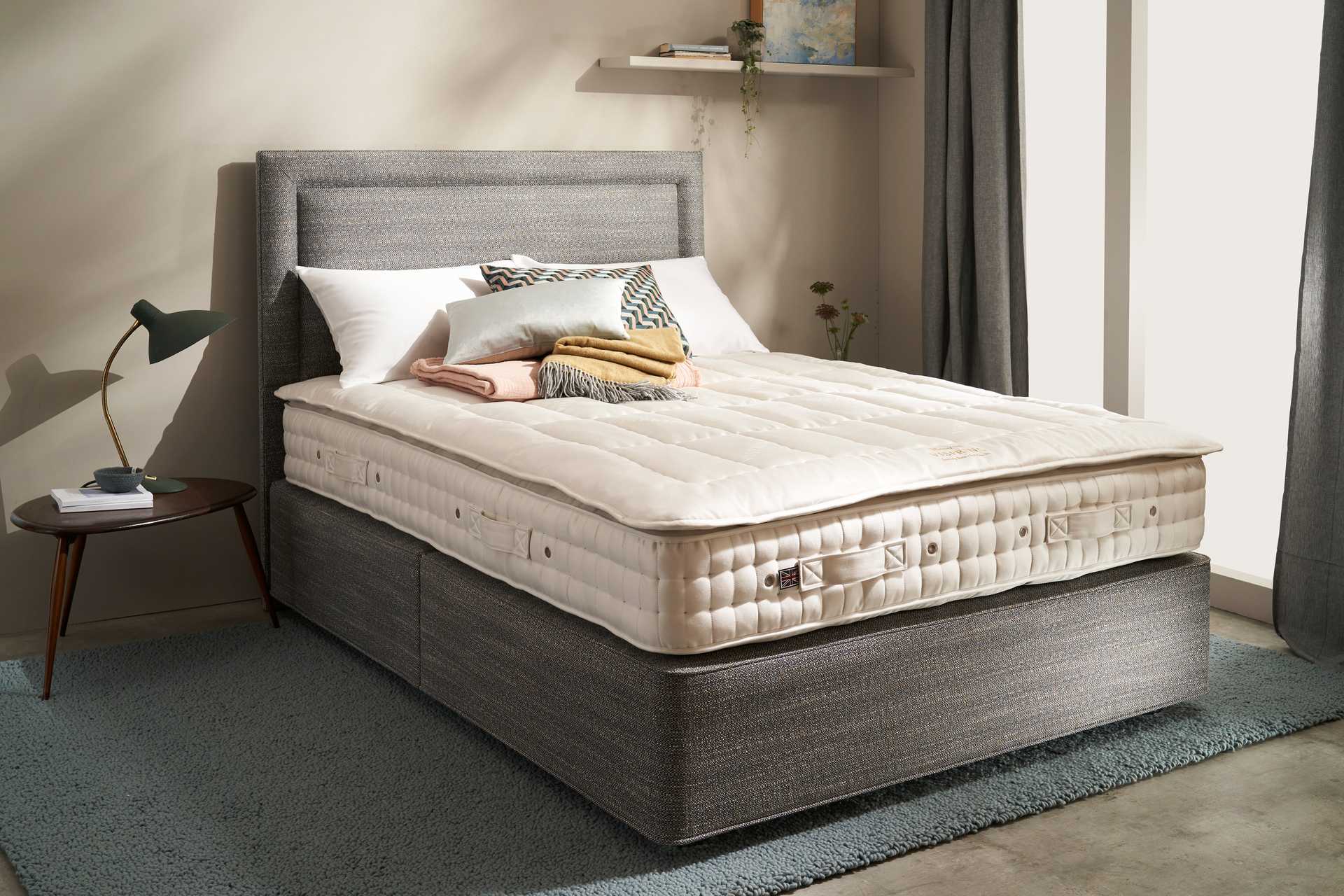
Luxury hotels curate sleep experiences with a precise attention to fiber, weave, fill, layering, and laundering protocols. Translating hotel-grade standards to at-home setups means focusing on a few guiding principles: comfort across seasons, consistent layering, easy maintenance, and a presentation that remains pristine after multiple washes. An invitation to replicate a high-end bed at home begins with choosing the right sheets, a top-tier duvet cover, and a mattress topper or protector that preserves loft and comfort.
Layering for hotel-grade comfort
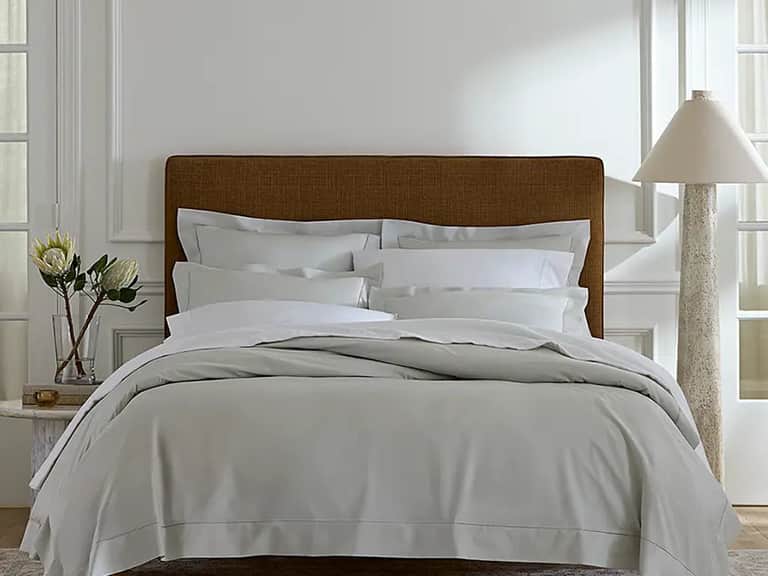
A typical hotel bed uses a crisp top sheet, high-thread-count cottons or sateen, a duvet in a warm or cool climate weight, and a mattress protector to shield the core. The aim is to present a neat, inviting surface with a plush, yet orderly, feel. For home execution, prioritize a breathable top sheet, a duvet that complements seasonal needs, and a protector with a gentle fit that stays in place.
Care and preservation
Hotels maintain careful laundering cycles and heat-regulated drying to preserve fabric integrity. At home, follow manufacturer care guidelines: wash temperatures that respect fiber and colorfastness, tumble dry settings that minimize shrinkage, and separate cycles for delicate items. Regularly rotate and air textiles to maintain loft and lift.
4) Hotel-grade at home: materials, care, and sustainability
Sustainability-inclined readers seek materials that balance luxury with ethical practices. Certifications such as OEKO-TEX, GOTS, and other reputable labels offer guidance on fiber processing and environmental impact. The premium bedding conversation now includes questions about cradle-to-cradle design, natural dyes, and responsible sourcing, aligning with the broader movement toward conscious luxury.
Certifications and ethics
Look for fabrics and finishes that carry certifications indicating safe and ethical processing. Certifications help consumers gauge not only fabric quality but also the environmental footprint of the product throughout its life cycle.
Care for longevity
Longevity in luxury bedding is achieved through thoughtful construction, appropriate thread counts, and careful laundering. With premium sheets, mattress protectors, and toppers, care routines protect softness, color, and structural integrity, ensuring your investment remains pristine for years.
5) Three key individuals from different time periods (influence on bedding aesthetics and sleep science)
From antiquity to modern design, influential figures have shaped how we think about sleep environments, materials, and our intimate relationship with the bed. Here are three voices that illuminate the evolution of luxury bedding across eras:
Hypatia of Alexandria (c. 360–415 CE) — The scholar of form and function
Hypatia embodied the fusion of intellect and sensibility. While not a designer of textiles, her era championed scientific inquiry, inspiring a rational approach to comfort and living spaces. Her era represents the early cultural shift toward appreciating the interplay between form, function, and beauty in daily life, including the spaces where we rest.
Charles Eastlake (1836–1906) — The architect of refined interiors
A pivotal figure in the late Victorian interior aesthetic, Eastlake emphasized crafted textiles, proportional layering, and a restrained luxury. His approach to seating and bedding—where fabric, texture, and color harmonize with architectural lines—paves the way for modern luxury bed styling that prioritizes cohesive, design-forward bedrooms.
Inès de La Fressange (b. 1957) — The modern ambassador of chic, timeless comfort
A contemporary muse of Parisian luxury, de La Fressange embodies an approach to dressing and interiors that values effortless elegance. Her influence translates into bedding in the form of timeless color palettes, adaptable textures, and the belief that a bedroom should reflect personal taste while offering sanctuary from the bustle of city life.
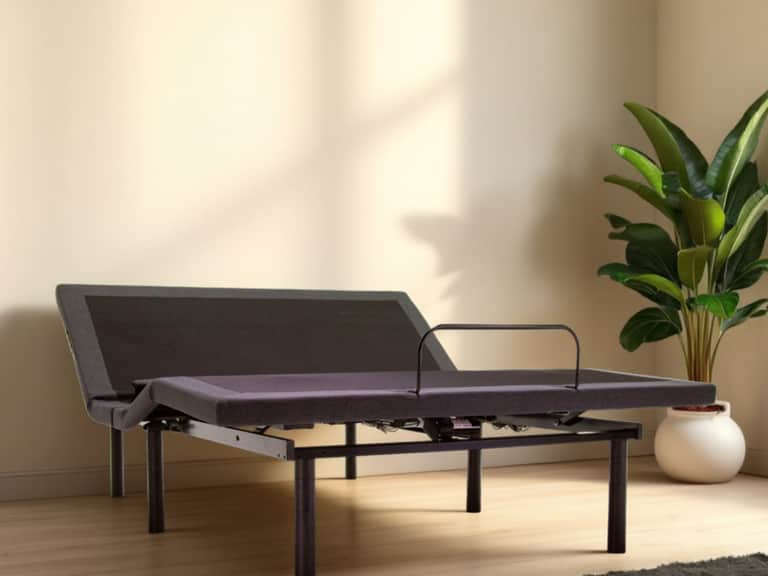
6) Product spotlight: The Clean Bedroom Level 4 Adjustable Bed Base
The Clean Bedroom Level 4 Adjustable Bed Base
Experience a fully customizable sleep system designed to elevate comfort, support, and relaxation. With independent head and foot lift, lumbar support, VibraSense massage, and Zen Mode, this base blends luxury with advanced functionality. It adapts to your body and lifestyle for better rest day and night.
Key features: adjustable head/foot, lumbar lift, multiple leg heights, wireless remote with presets, massage, white noise, underbed lighting, snore detection, 750-lb lift capacity.
Care: Unplug before cleaning; spot clean only.
Price: 2099.00 USD
This immersive base is a beacon of contemporary luxury, aligning with a visionary sleep philosophy that treats the bed as a technology-enabled sanctuary. The materials are designed for quiet operation and long-term performance, ensuring that the bed remains a focal point of the bedroom, both aesthetically and functionally.
For readers seeking a balanced, high-performance sleep environment, this adjustable base complements premium linens, toppers, and headboard couture—creating a holistic, luxe sleep ecosystem.
Note: Images and product selections emphasize a Vogue-inspired sensibility—curated, aspirational, yet anchored in practical luxury. When integrating such a base into a home, pair it with breathable percale or sateen sheets, a high-quality duvet, and a duvet cover that complements your room palette for a complete, magazine-worthy experience.
7) The editorial map: design your luxury bedding journey
To translate this guide into a living, breathing bedroom, consider a structured editorial approach to your own space. Build layers that reflect seasonality, comfort preferences, and environmental values. A well-considered selection of textiles—paired with an adaptive bed base—creates a sleep sanctuary that resonates with a discerning audience that expects beauty, function, and responsibility in equal measure.
- Core textiles: Percale or sateen sheets in long-staple cotton, with linen or silk accents for texture.
- Top layers: A duvet or quilt that suits the climate, plus a mattress protector that respects loft.
- Support layers: A memory foam, wool, or latex pillow collection that addresses alignment and comfort.
- Climate strategy: Temperature control through breathable fabrics and strategic layering.
This article is part of Luxury Bedding and Sleep Quality, a resource focused on material science, hospitality standards, and sustainable luxury. For more, explore our cornerstones on materials, care, and design—crafted for the UK reader with a Vogue-worthy eye for refinement.